How Team-Based Neuroscience Research Improves Brain Disease Prevention and Treatment
- Edward Lin Walnut Creek

- Jul 16
- 4 min read
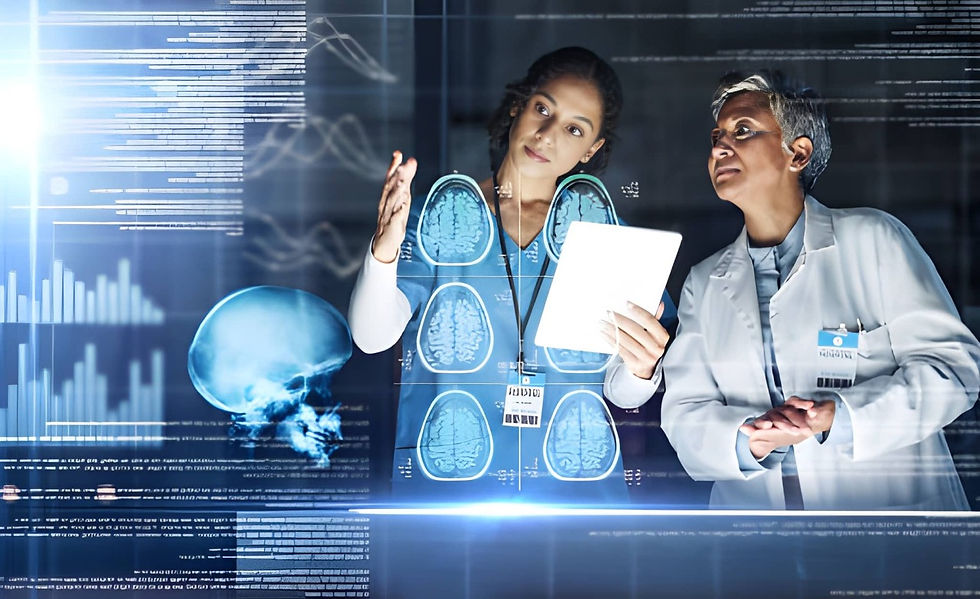
Neuroscience has advanced rapidly because researchers no longer work in isolation when studying the brain and nervous system. Today, scientists, physicians, engineers, data specialists, and healthcare professionals collaborate to solve complex medical challenges more effectively. Experts connected with Edward Lin in Walnut Creek often reflect the growing value of collaborative scientific efforts that encourage the exchange of ideas and expertise across multiple disciplines. By working as coordinated teams, researchers can better understand neurological diseases, develop earlier prevention strategies, and create more effective treatments for patients. This cooperative approach continues to improve outcomes while shaping the future of brain health research worldwide.
Teamwork Strengthens Neuroscience Research
Brain diseases are often difficult to study because they involve many biological, genetic, and environmental factors. A single researcher rarely has expertise across all the areas needed to understand these conditions fully. Team-based neuroscience research allows neurologists, psychologists, geneticists, radiologists, and biomedical engineers to work toward common goals. Their combined knowledge leads to better study designs, stronger scientific evidence, and more accurate conclusions. Collaboration also encourages creative thinking by bringing together professionals with diverse experiences and problem-solving methods.
Research teams also improve efficiency by sharing specialized equipment and laboratory resources. Advanced brain imaging systems, genetic testing tools, and computing technology can be expensive, making shared access an important advantage. Universities, hospitals, and research institutions frequently build partnerships that reduce costs while increasing research opportunities. These shared resources enable scientists to conduct larger studies and generate findings that are more meaningful to healthcare providers and patients alike.
Early Detection Benefits From Collaboration
One of the greatest advantages of team-based research is its ability to improve early detection of neurological diseases. Physicians identify symptoms in clinical settings, while laboratory scientists investigate biological changes that occur before disease becomes noticeable. Imaging specialists contribute detailed brain scans, and data analysts compare results across thousands of patients. Together, these experts create more reliable methods for identifying disease during its earliest stages, when treatment is often most effective.
Earlier diagnosis provides patients with more opportunities to slow disease progression and maintain a better quality of life. Collaborative research has helped improve screening methods for conditions such as Alzheimer's disease, Parkinson's disease, and multiple sclerosis. By combining clinical experience with laboratory discoveries, research teams continue developing tools that support earlier intervention and more personalized medical care. These improvements benefit both patients and healthcare systems by reducing long-term complications.
Shared Data Supports Better Treatments
Large collections of research data have become essential for developing better neurological treatments. Scientists from multiple institutions contribute brain scans, genetic information, and clinical observations to secure databases that support ongoing research. Sharing information allows researchers to identify trends that may not appear in smaller studies. This broader evidence helps scientists better understand disease progression and test new treatment approaches more effectively.
Open collaboration also increases confidence in scientific findings because multiple teams can review and verify research results. When independent experts reach the same conclusions, healthcare providers have stronger evidence to support treatment decisions. Shared knowledge reduces unnecessary duplication of research while encouraging continuous improvement. As more information becomes available through collaborative efforts, patients benefit from therapies supported by stronger scientific foundations.
Technology Enhances Collaborative Research
Modern technology has transformed the way neuroscience teams communicate and solve research challenges. Brain disease prevention strategies continue to improve because researchers can instantly share information through secure digital platforms, cloud-based databases, and virtual meetings. These tools allow experts from different institutions and countries to work together without delays caused by distance. Faster communication keeps projects moving forward while encouraging continuous scientific discussion throughout every stage of research.
Artificial intelligence and advanced computing have also become valuable partners in neuroscience. Machine learning systems can analyze large amounts of brain imaging and genetic data much faster than traditional methods. Engineers, software developers, and neuroscientists work together to refine these technologies and improve research accuracy. This partnership between technology and medicine enables faster discoveries and helps researchers identify new opportunities for disease prevention and treatment.
Clinical Teams Improve Patient Outcomes
Successful neuroscience research depends on close cooperation between scientists and healthcare professionals who treat patients every day. Neurologists, nurses, rehabilitation specialists, therapists, and researchers each contribute valuable knowledge about symptoms, treatment responses, and recovery patterns. Their combined experience helps ensure that research remains focused on solving practical healthcare challenges rather than only answering scientific questions. This patient-centered approach improves both research quality and medical care.
Clinical trials become more effective when multiple hospitals and research centers participate together. Larger participant groups provide stronger evidence about how treatments perform across different ages, medical histories, and populations. Researchers can compare results more accurately while identifying therapies that benefit the widest range of patients. These partnerships help move promising discoveries from laboratory testing into everyday medical practice more efficiently.
Education Encourages Future Collaboration
Universities increasingly prepare future neuroscientists to work in collaborative research environments. Students often study biology, psychology, medicine, engineering, and computer science together, thereby gaining a broader understanding of how these disciplines contribute to neuroscience. Early exposure to interdisciplinary teamwork helps future researchers communicate effectively and appreciate the value of diverse perspectives. These educational experiences cultivate stronger scientific leaders ready to address increasingly complex brain health challenges.
Mentorship also plays an important role in building successful research teams. Experienced scientists guide students through collaborative projects, teaching them how to exchange ideas, solve problems, and conduct responsible research. Young investigators learn technical skills while building professional relationships that often continue throughout their careers. Strong educational programs ensure that future neuroscience research remains innovative, cooperative, and focused on improving patient outcomes.
The Future of Team-Based Neuroscience
The future of neuroscience depends on continued collaboration between researchers, healthcare providers, educators, engineers, and technology experts. As neurological diseases become better understood, team-based research will continue to produce new diagnostic tools, preventive strategies, and personalized treatments. Investments in advanced technology, shared databases, and international partnerships will strengthen these efforts while accelerating scientific progress. Patients will benefit from faster discoveries that move efficiently from research laboratories into clinical care.
Collaboration has already transformed the way scientists study the brain, and its importance will continue to grow in the years ahead. Every successful partnership demonstrates that shared expertise leads to stronger research and better healthcare solutions. Continued support for collaborative neuroscience innovation will help researchers prevent disease earlier, improve treatment outcomes, and expand our understanding of the human brain. By working together across disciplines and institutions, neuroscience teams will continue delivering breakthroughs that improve lives around the world.


Comments